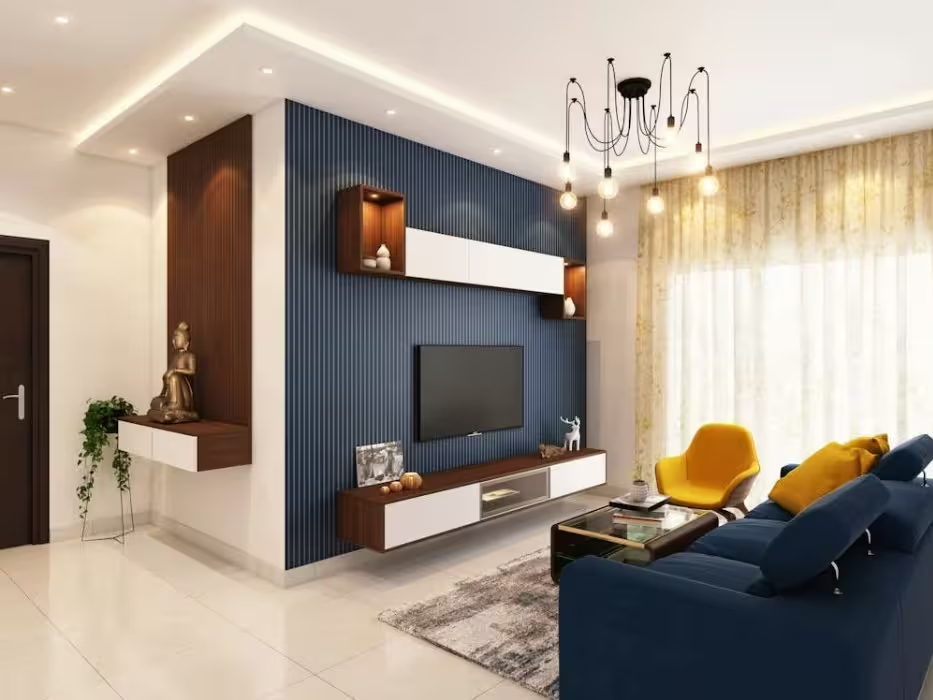
Have you ever walked into a room and felt relaxed or on edge without knowing why? It’s probably the lighting. Lighting doesn’t just help us see; it sets the tone for how we feel in a space.
Warm, soft lights can make a room feel cosy and calm, while bright, cool lighting sharpens focus and energy. Whether you’re redesigning a workstation or decorating your living room, lighting can enhance or ruin the atmosphere. Below, we’ll dive into how wise lighting choices can change a room’s mood and why it’s one of the most powerful design tools.
Emotional Echoes: How Lighting Cues Cross Physical and Digital Spaces
Lighting does more than help us see. It also shapes how we feel. That’s true whether sitting in your living room or scrolling through a digital space. Take a closer look at live casino platforms, for example. They don’t just throw in a bright screen and call it a day.
Instead, they carefully design lighting with warm tones, soft shadows, and focal highlights to make the space feel real, immersive, and luxurious. This transforms the online casino experience into something closer to a high-end gaming lounge, rather than just staring at a screen.
Using light to guide mood, this emotional cue isn’t just for the digital world. It applies to real spaces, too. In homes, warm lighting in a reading nook makes it feel safe and cosy, while cooler tones in an office help boost focus and energy. Stores often use spotlighting to highlight products and soft ambient light to make shoppers feel relaxed and stay longer.
The principle is simple: lighting tells a story. Using colour temperature, shadow, and placement helps set the tone, whether digital or physical.
So next time you think about how a space feels, whether you’re redesigning a room or logging into your favourite app, consider how light plays a role. It’s not just about brightness; it’s about atmosphere. And both screens and ceilings know how to work that magic.
Soft Lighting: Creating Comfort Through Gentle Illumination
Soft lighting creates a cosy, welcoming atmosphere while being easy on the eyes. Unlike harsh, direct light, soft lighting diffuses brightness, reducing glare and minimising eye strain—a common issue in spaces with overly bright or poorly positioned lights.
Soft lighting fosters relaxation and intimacy in bedrooms, living rooms, and studies. It transforms a room from merely functional to inviting. Think of the warm glow from a bedside lamp or the gentle ambience of a shaded floor lamp.
To achieve this effect:
- Use frosted bulbs: They scatter light more evenly, reducing harsh shadows.
- Incorporate lampshades: Shades made of fabric or opaque materials diffuse light, creating a softer glow.
- Install dimmer switches: They allow you to adjust brightness levels to suit different times of day and activities.
You can create visually appealing, cosy, and calming spaces with carefully chosen lighting elements.
Colour Temperature: How Warm or Cool Light Affects Emotion
Beyond visibility, lighting has a powerful impact on our emotions. Warm lighting, with its yellow-orange tones (around 2700K–3000K), creates a cosy, relaxing atmosphere. It’s ideal for living rooms and bedrooms where comfort is key. This light aligns with our natural circadian rhythms, helping us unwind in the evenings.
Conversely, cool lighting (above 4000K) emits a bluish-white hue mimicking daylight. It’s energising and enhances concentration, making it suitable for kitchens, offices, and other workspaces. Cool light can boost alertness and productivity, especially during tasks requiring focus.
When designing your space, consider each room’s function. Use warm lighting in areas meant for relaxation and cool lighting where tasks are performed. This thoughtful approach to lighting can enhance your home’s ambience and functionality.
Light Placement: Designing Layers of Ambience
Lighting isn’t just about visibility; it’s about creating mood, depth, and functionality in a space. By thoughtfully layering ambient, task, and accent lighting, you can transform any room into a comfortable and inviting environment.
Ambient lighting serves as the base layer, providing overall illumination. Ceiling-mounted fixtures or recessed lights cast a uniform glow, ensuring the space is well-lit without harsh shadows.
Task lighting focuses on areas where reading, cooking, or working occurs. Examples include under-cabinet lights in the kitchen or desk lamps in a study. It provides focused illumination that reduces eye strain and improves task efficiency.
Accent lighting adds drama and highlights architectural features or artwork. Wall sconces, for instance, can be installed between 60 and 72 inches from the floor to create visual interest and depth.
Proper placement enhances the effectiveness of these layers. For instance, positioning recessed lights at a 30° angle, about two feet from the wall on an eight-foot ceiling, can create an ideal spotlight effect. Similarly, placing floor lamps at shoulder height when seated ensures optimal reading light.
Combining these lighting techniques allows you to create functional, aesthetically pleasing, and cosy settings.
Light the Mood, Shape the Space
Lighting isn’t just decoration—it’s direction. The right light can make a room feel warm, focused, or dramatic without changing furniture. From soft glows to cool task lights, every bulb helps tell a room’s story—whether it’s comfort, focus, or drama.
Set the mood with light, and your space will follow.